
40 Hour PCA Rules: Georgia Family Caregiver Training, Enrollment & Pay

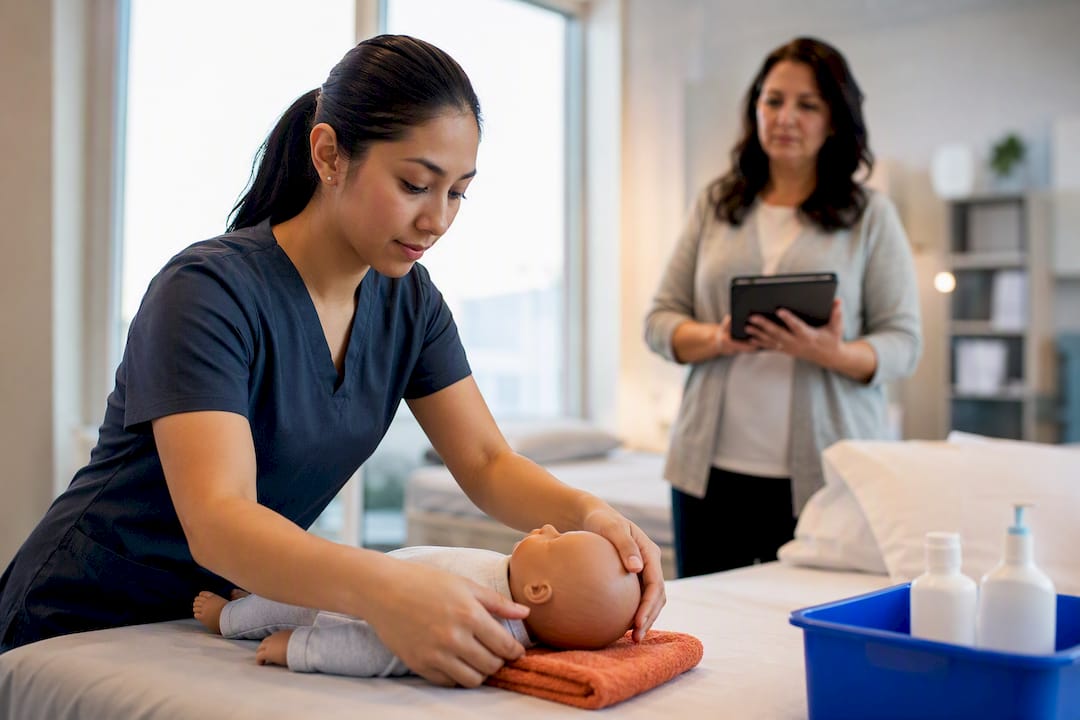
Yes, family members in Georgia can complete state-approved caregiver training, and paid routes exist for eligible situations through Medicaid and structured programs like GAPP. The fastest first move is to call the Aging & Disability Resource Connection at 1-866-552-4464 or contact your local Area Agency on Aging to find approved classes near you and ask whether your loved one qualifies for a paid caregiving arrangement.
TL;DR:
Family members in Georgia can complete state-approved caregiver training, but they must verify the course’s regulatory weight before paying for it.
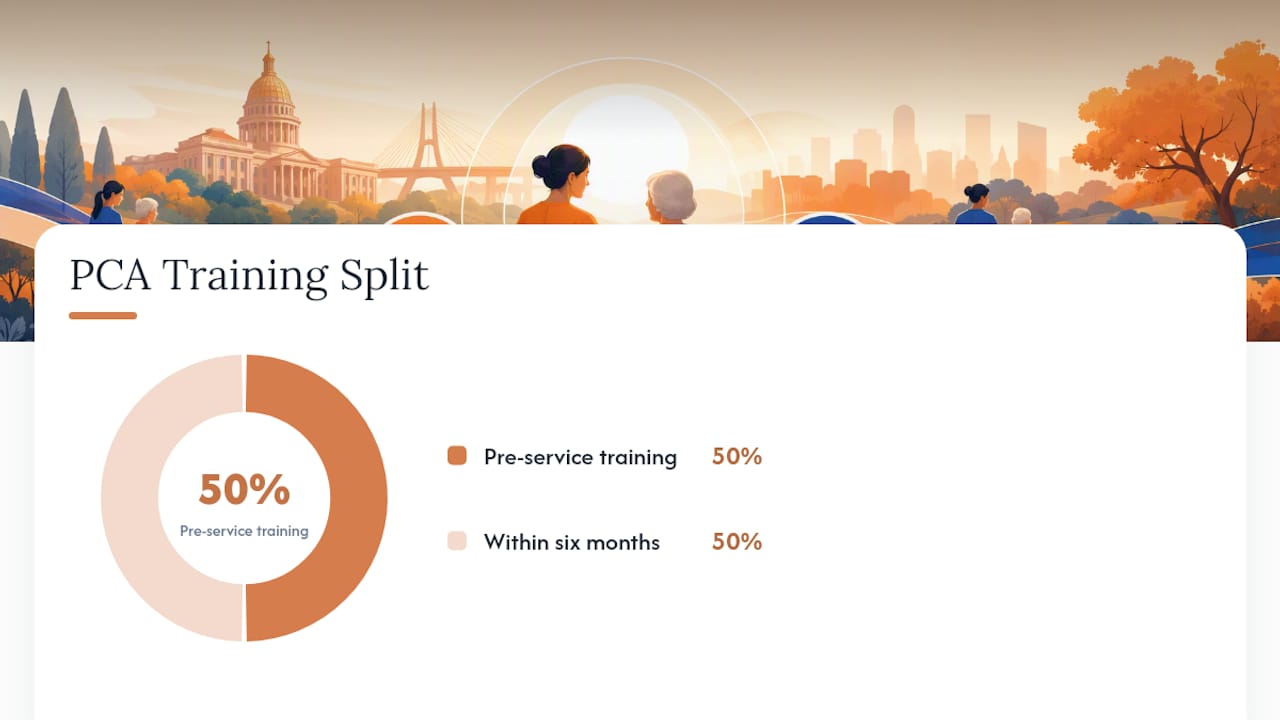
The minimum training for personal care aides is 40 hours, with 20 hours completed prior to providing unsupervised care and the other 20 within six months.
Evidence-based caregiver programs teach skills like managing dementia and caregiver burnout but do not count toward official training hours or licensure.
Medicaid and specially structured programs like GAPP or Structured Family Caregiving are necessary pathways for family members to receive payment for caregiving services.
Completing training and obtaining necessary authorizations involves a sequence of role identification, course confirmation, background checks, and documentation submission to ensure compliance.
Table of Contents
Georgia’s Official Training Requirements and Timelines for Caregivers
Paid Family Caregiver Pathways: Medicaid, GAPP, and Structured Programs
Step-by-Step Checklist to Finish Training and Stay Compliant
How Opulentprivatecare Turns Training Into Safe In-Home Care
Get Help Turning Training Into Authorized In-Home Nursing Care
Georgia’s Official Training Requirements and Timelines for Caregivers
“State-approved” means something specific in Georgia, and it varies by role. If you’re hired as a Personal Care Assistant through a licensed home care provider, Rule 111-8-65 sets a common baseline: 40 hours of training, with 20 hours completed before you provide unsupervised client care and the remaining 20 finished within six months of hire.
Certified Nurse Aide training is a different animal entirely. It runs longer, includes supervised clinical hours in a facility setting, and ends with a competency exam through the state’s approved testing vendor. A CNA credential opens doors a PCA certificate doesn’t, but it also takes weeks longer to complete and typically requires enrollment through a technical college or approved training program rather than a short workshop.
Facility staff and home care agency employees face annual continuing education requirements on top of initial training, often tied to topics like infection control, abuse reporting, and dementia care.
Quick reference for training hours:
PCA baseline: 40 hours total (20 before service, 20 within six months)
CNA pathway: extended clinical hours plus a state competency exam
Facility/agency staff: annual continuing education on top of initial onboarding
Pro Tip: Before paying for any course, ask the provider directly whether it satisfies Rule 111-8-65 or whether it’s a general-education offering. Some workshops labeled “caregiver certification” teach useful skills but carry no regulatory weight for paid employment.
Evidence-Based Caregiver Programs vs. Formal Certification
Not every worthwhile training program leads to a license, and that’s fine. Georgia’s Division of Aging Services requires each Area Agency on Aging to offer at least one evidence-based or evidence-informed caregiver program in its region, with some encouraged to offer two.
These programs teach real skills: managing dementia behaviors, handling caregiver burnout, communicating with medical teams. The Rosalynn Carter Institute’s Caring for You, Caring for Me is a five-part interactive series built specifically for family caregivers, and Savvy Caregiver is another widely used option in the same category. Neither one substitutes for PCA or CNA licensure if you plan to be paid as a professional caregiver.
Evidence-based programs (EBPs) focus on caregiver skill and self-care, not licensure
AAAs must maintain fidelity to the program’s original design and use qualified trainers
These classes rarely count toward state training-hour requirements
Pro Tip: Ask your AAA directly whether a specific EBP counts toward any continuing education requirement. Some do, most don’t, and the answer changes depending on your caregiving role.
How Do You Find and Enroll in Local Training?
Start with the phone, not a search engine. Georgia’s caregiver training landscape is regional, and your local Area Agency on Aging knows what’s actually running near you this month.
Call the ADRC at 1-866-552-4464 to be routed to your regional AAA and get a list of current classes, formats, and costs.
Ask whether the class is instructor-led in person, a webinar, or hybrid, and whether an RN supervises any clinical components.
Confirm the instructor is registered through the state’s Caregiver Portal system, which the Office of the Commissioner of Insurance and Safety Fire requires for class registration and instructor recertification.
Ask what documentation you’ll receive at completion, whether hours are logged automatically in the portal, and whether the course addresses any specialized conditions your care recipient has.
Because instructors must attend periodic recertification sessions to stay authorized, class availability sometimes clusters around certain months. If your local AAA has no open sessions, ask about waitlists or neighboring counties.
Paid Family Caregiver Pathways: Medicaid, GAPP, and Structured Programs
Training gets you qualified. Getting paid requires a separate authorization process, usually tied to Medicaid. Georgia’s Medicaid waiver programs can cover personal care or skilled nursing hours in the home, and in specific waiver categories, family members can be hired and paid to deliver that care.
For families with medically complex children, the Georgia Pediatric Program (GAPP) authorizes skilled nursing hours in the home, and the authorization process generally starts with a physician’s order, a nursing assessment, and enrollment with an approved provider agency. Structured Family Caregiving is a distinct model, typically serving adult care recipients, where a trained caregiver lives with or near the person and receives a daily payment rather than hourly wages.
Medicaid waivers can pay family members for personal care or skilled hours in qualifying cases
GAPP covers skilled nursing hours for medically fragile children under physician orders
Structured Family Caregiving pays a daily rate, not hourly wages
Whichever pathway applies, if you’re hired as a paid caregiver, expect a background check through the Georgia Caregiver Registry. That registry is a family-employer verification tool for confirming background history, and it’s entirely separate from your training certificate or the Caregiver Portal. Fingerprint-based checks are sometimes required for caregivers not already listed.
Step-by-Step Checklist to Finish Training and Stay Compliant
Getting trained and getting authorized to be paid are two different finish lines, and mixing up the order causes delays. Here’s the sequence that avoids the most common holdups.
Identify the exact role you’re pursuing (PCA, CNA, waiver-based family caregiver, GAPP-authorized caregiver).
Enroll in a course confirmed as state-approved for that specific role, not just a general caregiving workshop.
Complete the required pre-service hours before providing unsupervised care.
Submit to a fingerprint-based background check if you’ll be hired and paid.
Obtain competency sign-off from an RN or licensed professional where the role requires it.
Store or register your certificate through the Caregiver Portal or your employer’s file, along with any Electronic Visit Verification set up your payment program requires.
Keep every document: certificates, background check clearance, competency sign-off forms, and dated training logs. Payroll and Medicaid authorizations both depend on paperwork you can produce quickly if audited.
Pro Tip: If a course claims to be “state-approved” but can’t point you to the specific rule or portal it satisfies, treat that as a red flag and verify directly with your AAA before paying for it.
How Opulentprivatecare Turns Training Into Safe In-Home Care
Training answers the “am I qualified” question. Keeping a medically fragile child safe day to day is a different challenge, and it’s where Opulentprivatecare focuses. For families managing tracheostomy care, ventilator support, feeding tubes, or seizure and cardiac conditions, Opulentprivatecare assists with GAPP paperwork and matches families with pediatric nurses based on clinical need and personal fit.
Every placement runs through Opulentprivatecare’s “3 Thumbs Up Rule”: the family approves, the caregiver approves, and Opulentprivatecare approves before care ever begins. That three-way check, paired with published shift fill rates and nurse retention metrics, aims to end the cycle of rotating, unfamiliar staff that so many families dread.
Why State-Approved Training Actually Matters
Caregiver burnout is real, and it gets worse when families are flying blind on rules and paperwork. State-approved training and proper pay authorization aren’t bureaucratic hoops. They’re what makes caregiving sustainable instead of a slow-motion crisis. Call your ADRC or AAA first. For medically complex kids, pairing that training with professional pediatric nursing support, the kind Opulentprivatecare provides, often makes the difference between surviving and actually managing.
— Opulent
Get Help Turning Training Into Authorized In-Home Nursing Care
Family caregiver classes and Medicaid paperwork are only half the equation. Once training is done and GAPP hours are authorized, someone still has to deliver safe, consistent clinical care every single day. We handle the piece most families dread most: finding a nurse who actually sticks around, instead of a rotating cast of strangers learning your child’s routine from scratch every few weeks.

Getting started typically means a short consult, an intake conversation about your child’s specific needs (trach, vent, G-tube, seizure, or cardiac care), and help to complete GAPP authorization paperwork if it isn’t finished yet. From there, Opulentprivatecare matches your family with a nurse under the 3 Thumbs Up Rule, so nobody starts care until the family, the nurse, and Opulentprivatecare all agree it’s the right fit. If your child needs specialized trach, vent, or G-tube support, request a consult today and find out what authorized nursing hours could look like for your household.
Sources
FAQ
How do I become a certified caregiver for a family member in Georgia?
Contact your local Area Agency on Aging or call the ADRC at 1-866-552-4464 to find a state-approved PCA or CNA course, then complete the required pre-service hours and any competency sign-off before providing unsupervised care.
How much does Georgia pay family caregivers weekly?
Payment depends entirely on the program: Structured Family Caregiving pays a daily rate rather than an hourly wage, while Medicaid waiver or GAPP-authorized hours are billed per approved hour of care, so there’s no single statewide weekly figure.
What family caregiver programs are available in Georgia?
Options include Medicaid waiver programs that can pay family caregivers, the Georgia Pediatric Program (GAPP) for medically fragile children, Structured Family Caregiving for eligible adult care recipients, and evidence-based education programs like Caring for You, Caring for Me offered through local AAAs.
How do I become a certified caregiver for a family member and get paid?
You need two separate approvals: state-approved training that qualifies you for the caregiving role, and a Medicaid, waiver, or GAPP authorization that specifically permits payment to a family member; both typically start with a call to your AAA or a physician’s order for skilled care.
Recommended
Comments