
Parents: One Page Nurse Orientation With Continuity First Templates

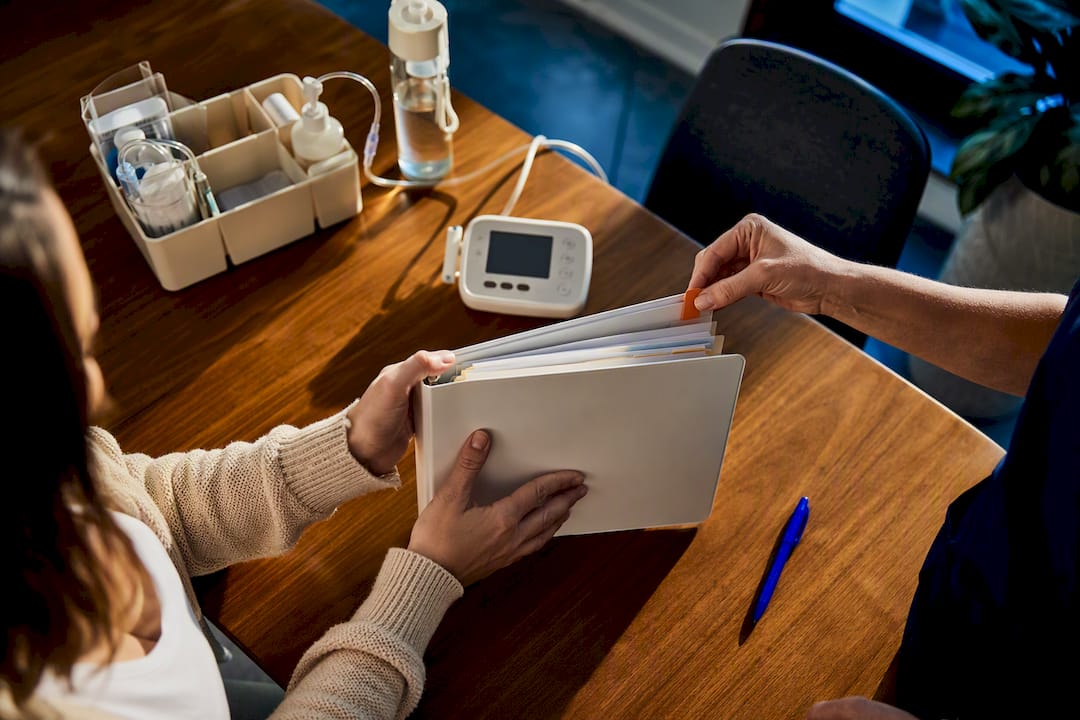
Parents keep control of household routines while the nurse follows physician orders for clinical tasks. Before day one, build a one-page care profile, run a meet-and-greet, and agree on a shift-change handoff ritual. Set an escalation chain and put a first-week review on the calendar so both sides can adjust early.
TL;DR:
Continuity of staffing and clear transition protocols, such as using care profiles and handoff checklists, are crucial for maintaining routines and safety in home pediatric care.
Conduct scenario-based meet-and-greet interviews, asking specific questions about handling emergencies and respecting household routines, to test the nurse’s practical thinking and fit.
The first week’s milestones include a home and equipment tour, supervised clinical tasks, and a formal review, all essential for confirming a good care fit and adjusting routines early.
Establish well-defined communication routines and escalation pathways, including written handoff checklists and predictable responses to clinical issues, to ensure consistent care and avoid misunderstandings.
Prioritize staff continuity and thorough pre-arrival preparations, such as a detailed care profile and household rules, to build trust and stability during the critical initial weeks.
Table of Contents
Building a Nurse Orientation Family Routine Before Day One
Orientation happens in the days before the nurse ever walks in, not on the first shift. A rushed start forces the nurse to learn your child’s needs and your household’s rhythm at the same time, which is exactly when small misunderstandings turn into real safety gaps.
Work through this in order:
Write a one-page care profile. List diagnoses, medications with doses and times, equipment (ventilator settings, feeding pump rates, suction specs), daily routines, comfort cues, and the names and numbers of the pediatrician, specialists, and durable medical equipment supplier. A detailed checklist covering duties, schedule, and budget before hiring makes this document far easier to assemble because you’ve already thought through the specifics.
Set up a clinical workspace. Designate a spot for supplies, charge every device, test alarms, and confirm backup power for equipment that needs it.
Gather the paperwork. Physician orders, current medication lists, payer or Medicaid/GAPP authorizations, and a written emergency contact sheet should all be in one folder, not scattered across email threads.
Decide your household rules. Talk through privacy expectations, phone use during shifts, which rooms are shared space, and who the nurse should go to first with questions. Name one family member as the point person.
A structured onboarding that includes a home safety tour and a communication hub from the first day tends to prevent the kind of confusion that erodes trust in week one. If you’re coming straight from a hospital stay, a NICU-to-home transition plan can help you shift from hospital-style authority to a collaborative home setup before the nurse even arrives.
How Do You Run a Meet-and-Greet That Actually Tests Fit?
A meet-and-greet is not a formality. It’s your best chance to see how a nurse thinks under pressure before that pressure is real. Ask scenario-based questions instead of resume questions: What would you do if the ventilator alarm sounds during a diaper change? How do you handle a feeding interruption when a sibling needs help with homework at the same time? Scenario-based interview questions paired with staged introductions in the home reveal far more than a standard interview ever will.
Watch for specifics during the visit:
How the nurse greets and talks to your child, not just to you
Whether they ask about routines before assuming their own approach
How they respond when you explain a nonnegotiable (a specific bedtime ritual, a feeding schedule tied to school pickup)
Whether their questions suggest they’re listening for collaboration or just waiting to take over
Explain your family’s rituals clearly and gauge the reaction. If a short trial period or a few partial shadow shifts feels safer before committing to full coverage, ask for it.
Pro Tip: Don’t assume the nurse will pick up on cues you consider obvious. Say the quiet things out loud, like “she calms down faster if you dim the lights before suctioning” instead of expecting a stranger to notice on their own.

What Happens During the First Shift and First Week?
The first shift sets the tone for everything after it. Start with a full home tour and equipment walkthrough together, then demonstrate one clinical task yourself so the nurse sees exactly how your family already does it.
Tour the home and equipment as a team. Show supply storage, backup power, and exits, then walk through one care task side by side.
Start a shift log immediately. Every entry should be dated and specific, not vague.
Require a short handoff huddle at every shift change. A short, mandatory conversation between the outgoing and incoming caregiver catches small issues before they compound, according to guidance on structured handoff processes.
Begin with observation or co-care hours. Full autonomy comes after the nurse has watched you handle a few routines and vice versa.
Book a formal first-week review. Sit down with the nurse and, if one is assigned, the clinical supervisor to talk through what’s working.
Week 1 milestone | Who’s involved | What it confirms |
Home and equipment tour | Parent + nurse | Nurse understands layout, supplies, safety exits |
First supervised clinical task | Parent + nurse | Technique matches physician orders and family preference |
Daily handoff huddle | Outgoing + incoming caregiver | No gap in vitals, supplies, or pending tasks |
First-week review | Parent + nurse + supervisor | Fit is working; routine adjustments get made early |
Families should separate must-have clinical skills from preferred personal qualities during this stretch, then use the scheduled review to decide what needs to change before habits calcify.
Setting Communication and Handoff Routines That Actually Stick
Pick your tools before you need them: a care binder, a secure messaging app, or a shared notebook, plus a daily check-in window that both sides commit to. Vague “let’s just talk when something comes up” arrangements fall apart within the first two weeks.
Define what every handoff must cover, no exceptions:
Vitals and any changes since the last shift
Supply levels and what needs restocking
Tasks completed and tasks still pending
Follow-ups for the next shift or the physician
A written handoff checklist, used every single shift, keeps continuity intact even when memory or a rushed exit would otherwise drop something. This is where collaborative approaches to preserving daily routines pay off most: kids notice when mealtimes, sleep, and play stay consistent, and that consistency depends on accurate handoffs, not good intentions.
Agree on the escalation path in advance: nurse to clinical supervisor, supervisor to physician, physician to family, with clear expectations for response time at each step.
Pro Tip: Keep a laminated copy of the escalation chain taped inside the care binder. In a stressful moment, nobody wants to scroll through a phone for the right number.
Resolving Problems Without Undermining Clinical Authority
Most friction during the adjustment period is solvable if you follow a clear order instead of escalating straight to conflict.
Raise the issue directly with the nurse first, calmly and specifically.
If it persists, bring it to the clinical supervisor or agency contact.
If fit still isn’t working, document the pattern and request a different nurse through the agency’s process rather than letting resentment build.
For urgent clinical changes (breathing distress, seizure activity, device failure), the nurse acts immediately and calls 911 if warranted. Household rules never override an emergency clinical decision.
Enforce your privacy and household boundaries consistently, but never let a personality clash bleed into disputes over medical judgment. Those are two different categories of problem, and treating them the same way causes friction that structured household staff training is designed to prevent.
What Opulent Private Care’s Model Shows About Getting This Right
Some pediatric nursing services build their process around a simple idea: nobody starts care until three parties sign off, requiring approval from the family, the nurse, and the agency before a placement begins, which turns the meet-and-greet from a formality into an actual fit check.
Two practices worth borrowing regardless of which agency you use:
Ask for continuity metrics, like shift fill rates and nurse retention, before you commit. Low turnover helps protect the routines a medically fragile child depends on.
Request or build templates such as a one-page care profile and a shift handoff checklist, kept current and accessible to every caregiver in rotation.
Minimal staff rotation isn’t a convenience. For a child who relies on the same feeding schedule, suctioning technique, and bedtime ritual every day, a familiar face at every shift change is often what keeps the routine from unraveling. Opulent’s continuity commitments reflect exactly that priority.
What Actually Settles in the First Few Weeks
Trust with a new nurse doesn’t come from a flawless first shift. It comes from the fifth handoff going as smoothly as the first, from the small routines repeating without drama. A clear handoff structure and honest boundaries head off most conflicts before they start. Give it a real review at one to two weeks, then adjust the plan instead of assuming you got it right the first time.
— Opulent
Get Continuity Support From Opulent Private Care
Some pediatric nursing providers are built for the exact orientation process outlined here, not a rotating cast of unfamiliar faces every week. Their process includes a rule that a nurse only starts once family, nurse, and agency all agree it’s a genuine fit, and metrics like shift fill rates and retention numbers let families check continuity before committing.

If your child manages a tracheostomy, ventilator, feeding tube, seizures, or a cardiac or neurological condition, Opulent’s matching process is designed around clinical fit and household fit together. Families can request a consultation, ask to review current retention and fill rate metrics, or start the Medicaid/GAPP paperwork process directly through the Opulent Private Care landing page. Reach out today to see how a continuity-first placement could work for your household.
Where to Go for More Guidance
The Guidelines for Nurses Working in the Home lay out the clinical framework nurses follow in a family’s house. Research on family-nurse collaboration explains why preserving daily rhythms matters for a child’s well-being. For hands-on templates, Opulent’s own home nursing start checklist and pediatric caregiver guide walk through care profiles and handoff tools in more depth, and advice on communicating with clinicians can help sharpen how you raise concerns during the adjustment period.
This article is general information, not a substitute for advice from a qualified doctor. Consult a qualified healthcare professional about your own circumstances before acting on anything here.
Sources
FAQ
Who Makes Decisions About Household Routines?
Parents and legal guardians set household routines and preferences, while the nurse follows physician orders for clinical tasks, with both sides expected to respect the other’s role.
What Should Go in a One-Page Care Profile?
Include diagnoses, current medications and doses, equipment settings, daily routines, comfort cues, and contact information for every provider involved in your child’s care.
How Long Should the Adjustment Period Last?
Most families see routines stabilize within one to two weeks, which is why a formal review at that point matters more than judging fit from the first shift alone.
What If the Nurse Isn’t a Good Fit?
Raise the issue with the nurse first, escalate to a clinical supervisor if it continues, and document the pattern before requesting a replacement through the agency, similar to how Opulent’s approval process works before a placement even starts.
How Often Should Handoffs Happen?
Every single shift change should include a short handoff covering vitals, changes, supplies, and pending tasks, ideally through a written checklist rather than a verbal summary alone.
Recommended
Comments