
Pediatric Cardiac Home Nursing: What Families Need to Know

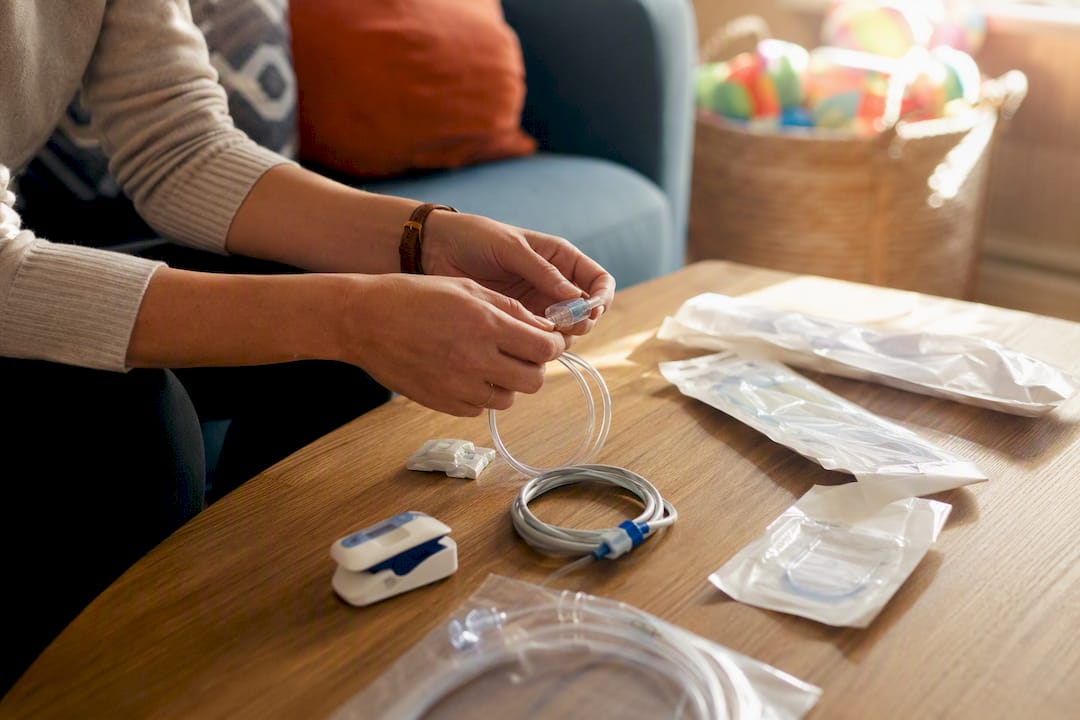
Pediatric cardiac home nursing is skilled, physician-ordered nursing care delivered in a child’s home to manage a heart condition after hospital discharge. It’s typically ordered for post-surgical infants, children with a tracheostomy or ventilator, kids on complex feeding and medication schedules, and interstage single-ventricle patients waiting for their next surgery.
Here’s the quick version before you dig into the details:
Who provides it: Pediatric-trained RNs or PNPs, either through a home health agency or a private-duty nursing model.
When it’s ordered: After a physician writes discharge orders and a payer (insurance, Medicaid, or a state program like GAPP) authorizes the service.
The clinical goal: A safe transition out of the hospital, consistent daily monitoring, and fewer emergency readmissions.
The rest of this guide walks through monitoring routines, caregiver training, equipment lists, red flags, and how billing actually works, so you can build a plan instead of guessing at one.
Key Takeaways
Safe pediatric cardiac home nursing depends on physician-ordered discharge planning, daily home monitoring of weight and oxygen saturation, trained caregivers, and a clear 24/7 escalation plan.
Point | Details |
Start authorization early | Begin Medicaid, GAPP, or insurance authorization paperwork as soon as your child’s condition stabilizes in the hospital. |
Track daily parameters consistently | Record weight, SpO2, heart rate, and feeding volume at the same times each day using the same equipment. |
Demonstrate every skill before discharge | Complete hands-on return demonstration for medications, feeding tube care, and emergency response before leaving the hospital. |
Know your escalation tiers | Save exact numbers for your nurse line, cardiologist, and know when a symptom requires 911 instead. |
Vet providers on continuity metrics | Choose a provider like Opulentprivatecare that publishes shift-fill rates and nurse retention data instead of vague reassurances. |
Table of Contents
What Does Pediatric Cardiac Home Nursing Actually Cover?
Home nursing for heart patients spans a wider range of tasks than most parents expect walking out of the NICU or cardiac ICU. It’s not just “someone checking in.” A nurse assigned to a child with congenital or acquired heart disease typically handles:
Medication administration, including timed cardiac drugs like diuretics or afterload reducers
IV or central line care for children on home infusions
Oxygen or ventilator management, including trach care
Pulse oximetry monitoring and interpretation of trends, not just single readings
Feeding tube management (NG or G-tube), often paired with strict volume tracking
Wound and stoma care after sternotomy or ostomy procedures
Reinforcement of discharge teaching so it actually sticks once the hospital is a memory
Telehealth follow-up coordination with the cardiology team
The clinical picture varies a lot by age and diagnosis. A neonate recovering from Stage I palliation for hypoplastic left heart syndrome (HLHS) needs entirely different daily monitoring than a toddler on supplemental oxygen for pulmonary hypertension, or an older child with an arrhythmia receiving home infusions. What stays constant is the need for pediatric home healthcare delivered by someone trained specifically for children’s cardiac physiology, not general adult home health.
Pro Tip: Before agreeing to any agency, ask directly how many hours of pediatric cardiac or critical-care experience the assigned nurse has logged. “Pediatric experience” and “pediatric cardiac experience” are not the same thing, and the gap matters at 2 a.m.
Who Is on the Home-Care Team and Which Credentials Matter?
A well-built care team around your child usually includes a pediatric registered nurse (RN) providing direct hands-on care, a pediatric nurse practitioner (PNP) or advanced practice provider managing medication adjustments, a respiratory therapist if your child needs oxygen or ventilator support, and often a dietitian and social worker or case manager rounding things out. Some plans also include a home health aide for non-clinical support.
When you’re vetting individual nurses or an agency, look for:
Pediatric or pediatric critical-care nursing experience, not general adult home health
Current BLS and PALS (Pediatric Advanced Life Support) certification
Documented experience with tracheostomy and ventilator care if your child needs it
A completed, signed-off competency checklist specific to your child’s plan of care
Coordination happens through the physician’s written orders and a formal nursing care plan, with documented communication looping back to the cardiology team. Large pediatric cardiac centers build multidisciplinary teams around exactly this structure, and your home nursing team should mirror it rather than operate in isolation.
How Do You Arrange Pediatric Cardiac Home Nursing?
Getting from “hospital bed” to “nurse walking through your front door” follows a fairly predictable sequence:
Your child’s cardiologist or hospital care team identifies the need and makes a referral.
The physician writes a formal treatment plan with discharge orders specifying the level of care.
Your payer, whether commercial insurance, Medicaid, or a state program, authorizes the service.
The agency provisions equipment and completes caregiver training before the child leaves the hospital.
The first in-home nursing visit happens within the window your discharge team agreed to, ideally within 24 to 48 hours.
Before discharge day, gather these together:
Written discharge orders and the full medication list, including doses and timing
Allergy list and any known drug sensitivities
Receipts or documentation for durable medical equipment already ordered
Payer authorization numbers
Direct contact information for your primary cardiology team
Structured discharge training is consistently identified as one of the elements that determines whether a home transition goes smoothly, so don’t treat the paperwork step as an afterthought.
Pro Tip: Ask the hospital discharge team to introduce home nursing options the moment your child’s condition stabilizes, not the day before discharge. Authorization and equipment provisioning routinely take longer than families expect, and starting early absorbs that delay instead of pushing back your discharge date.
What Monitoring and Equipment Will You Use at Home?
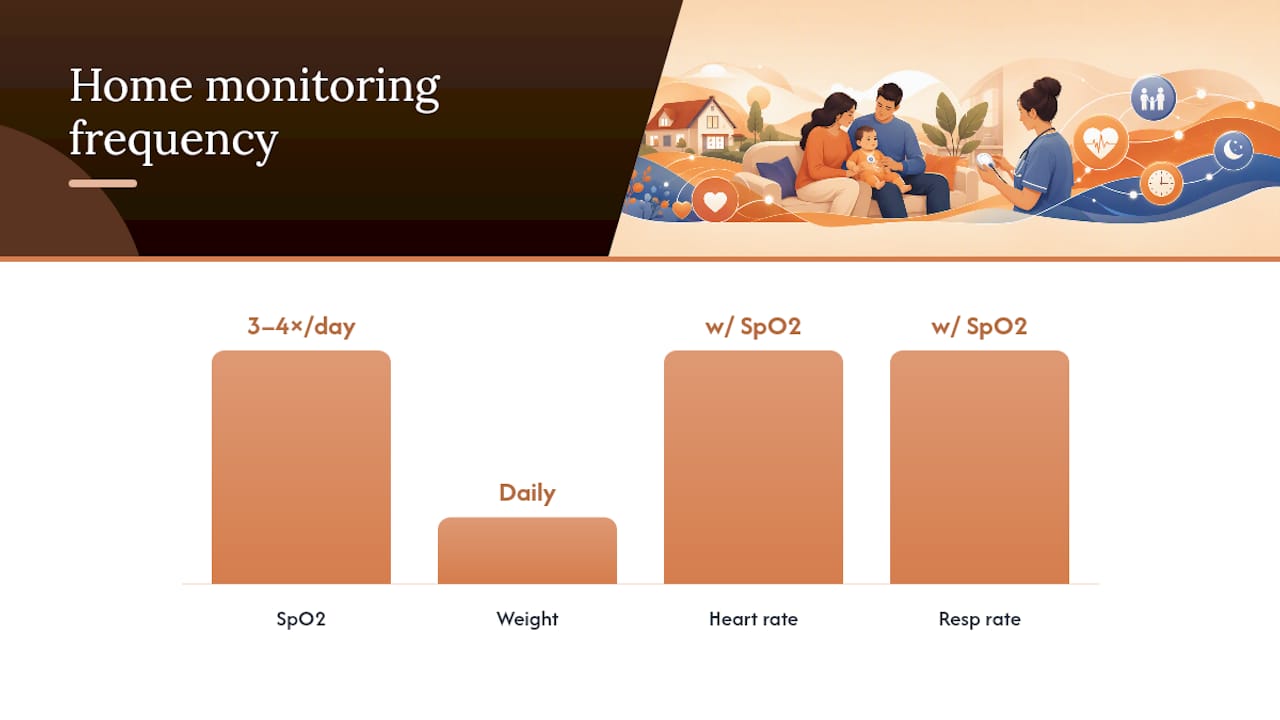
Daily monitoring is the backbone of cardiac care for children recovering at home, and the parameters are specific enough that most programs give families an actual tracking sheet rather than vague instructions to “watch how they’re doing.”
Parameter | Suggested Frequency | Why It’s Tracked |
Weight | Daily, same time, same scale | Sudden gain or loss can signal fluid retention or poor feeding |
Oxygen saturation (SpO2) | 3 to 4 times daily, or continuous if oxygen-dependent | Detects early respiratory or cardiac decline |
Heart rate | With each SpO2 check | Flags arrhythmia or compensatory changes |
Respiratory rate | With each SpO2 check | Increased effort often precedes a visible crisis |
Feeding volume / intake | Every feed | Poor intake is one of the earliest interstage warning signs |
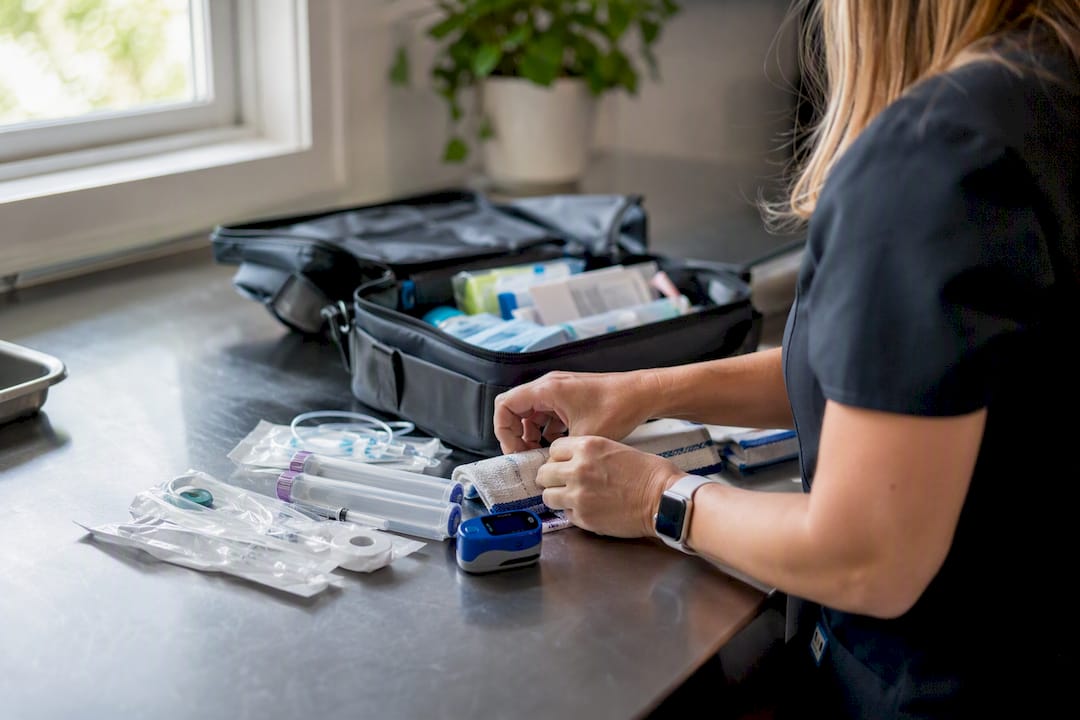
Equipment families typically need on hand includes a pulse oximeter, an infant or household scale accurate to small increments, home oxygen supplies if prescribed, suction and tracheostomy supplies for trach-dependent kids, feeding pump supplies for tube-fed children, and portal access (many hospitals use MyChart or a similar system) for reporting numbers back to the care team. Keep a basic emergency kit within reach too, stocked with spare trach ties, extra feeding syringes, and a printed copy of your care plan.
A simple daily log works better than memory. Track date and time, weight, SpO2, heart rate, feeding volume, urine or stool output, medications given with timestamps, and any clinician notes from that day. Johns Hopkins Medicine notes that appropriate home-based care can help children recover faster while reducing exposure to hospital-acquired conditions, which is exactly why this daily discipline matters. Whether you send that log through a telehealth portal, a phone call to the nursing line, or a written chart entry your nurse reviews, the consistency of the habit matters more than the format.
What Should Caregivers Learn Before Discharge?
No family should leave the hospital without demonstrating, hands-on, that they can actually do the things the discharge paperwork describes. A solid return-demonstration checklist covers:
Administering every medication on the discharge list, including crushing or mixing techniques if needed
Performing dressing or stoma changes without prompting
Managing the feeding tube, including troubleshooting a clog or dislodgement
Using the pulse oximeter correctly and recognizing a false low reading versus a real one
Identifying red-flag symptoms specific to your child’s diagnosis
Knowing the exact emergency action for each red flag, not just “call someone”
Before you leave, ask your team pointed questions: Who do we call first if a reading is abnormal? What’s the actual number, not the app, for the on-call nurse? What happens if our assigned nurse is unavailable? Getting these answers now beats improvising them during a crisis.
Pack a “go bag” with discharge orders, medication list, insurance and authorization paperwork, spare medical supplies, and emergency contacts
Keep a digital photo of every document as backup
Confirm the escalation plan is written down, not just explained verbally
Pro Tip: Keep your go bag in the same spot every single time, ideally near the door. In an actual emergency, nobody remembers where they “usually” put things.
How Do Home Monitoring Programs Work for High-Risk Infants?
For infants with single-ventricle heart defects, the stretch between the first-stage (Norwood) surgery and the second-stage (Glenn) procedure, known as the interstage period, is the highest-risk window in the entire treatment course. Research on interstage care shows outcomes depend heavily on caregiver-led daily monitoring paired with skilled home nursing support that catches subtle, easy-to-miss changes.
A typical protocol asks families to:
Record weight and SpO2 at the same time every day, using the same equipment
Log every feed, including refusals or incomplete feeds
Call the cardiac nurse line immediately if weight drops below a set threshold or SpO2 falls under the program’s target
Escalate to the cardiology team if the nurse line flags a concerning trend
Go straight to the emergency department for any sudden, severe change rather than waiting for a callback
Documented benefits of these programs include better weight gain, earlier detection of deterioration before it becomes a crisis, less time back in the hospital, and more normal bonding time at home instead of in a unit. The UCSF Single Ventricle Home Monitoring Program is one of the clearest published models: families receive a scale and pulse oximeter, complete daily logs, and get 24/7 access to a cardiac specialist. Rady Children’s home monitoring program follows a similar structure, with multidisciplinary teams reviewing submitted data and escalating rapidly when numbers drift. If your hospital enrolls you in something similar, expect this same combination of equipment, daily discipline, and a direct line to someone who can act on what you report.
What Warning Signs Mean You Need to Act Immediately?
Some symptoms in a child with heart disease need a phone call. Others need 911. Knowing the difference in advance, rather than guessing under stress, is part of what pediatric cardiac home nursing training is for.
Watch for:
Persistent low oxygen saturation that doesn’t respond to usual interventions
Sudden blue or gray color change around the lips or face
Visibly increased work of breathing, like flaring nostrils or retractions
Poor feeding combined with unusual sleepiness or lethargy
Uncontrolled bleeding or a malfunctioning device (dislodged trach, failed feeding pump, oxygen equipment failure)
When something goes wrong, follow this order:
Perform the immediate home intervention you were trained to do (reposition, suction, adjust oxygen, apply pressure)
If the situation is not resolving, call your program nurse line or cardiologist right away
Call 911 or go straight to the emergency department for anything severe, sudden, or unresponsive to your first intervention
The short version: call the home monitoring team or cardiology clinic for trends and concerning-but-stable symptoms, and call 911 for anything acute, severe, or rapidly worsening.
How Is Pediatric Home Nursing Paid For?
Coverage pathways vary by payer, and figuring out which one applies to your family early saves weeks of delay later. Common routes include:
Private insurance requiring prior authorization before nursing hours begin
Medicaid coverage through home and community-based waivers
State-specific pediatric programs, such as Georgia’s GAPP (Georgia Pediatric Program), which fund in-home skilled nursing for medically fragile children who meet clinical criteria
For any of these, you’ll typically need discharge orders, a documented plan of care, a letter of medical necessity from your physician, and proof of DME (durable medical equipment) orders. Hospital case managers usually initiate this process, while the home nursing agency’s billing specialist handles ongoing authorization and renewal paperwork.
Pro Tip: Ask your hospital case manager, by name, to start Medicaid or GAPP paperwork before your child is discharged, and to coordinate it with DME orders and nurse authorization at the same time. Handling these three processes sequentially instead of in parallel is the single most common cause of delayed home nursing starts.
How Do You Choose the Right Home Nursing Provider?
Not every agency that says “pediatric” actually specializes in cardiac cases. Before signing on, check for pediatric-specific clinical training, documented competency sign-offs for the exact skills your child needs, continuity metrics like shift-fill rate and average nurse tenure, 24/7 clinician access, telehealth capability, and coordination with your DME supplier.
When you interview a potential agency or nurse, ask:
What is your shift-fill rate for pediatric cardiac cases?
What’s the average tenure of your pediatric RNs?
Have you cared for a child with this specific diagnosis before?
What certifications does the assigned nurse hold?
What’s the exact escalation protocol if something looks wrong?
How do you document and share care notes with our cardiology team?
Who covers a shift if our regular nurse is sick?
Can we meet the nurse before care starts?
What happens if the fit isn’t right?
Can you provide references or performance data?
Red flags include no verifiable pediatric cardiac experience, a rotating cast of unfamiliar nurses each week, a vague or nonexistent escalation plan, and an inability or unwillingness to share performance data when asked directly.
How Does Opulent Private Care Structure Reliable Home Nursing?
Opulentprivatecare built its model around a specific problem families raise constantly: rotating strangers through your home erodes trust and safety. Its “3 Thumbs Up Rule” requires sign-off from the family, the caregiver, and Opulentprivatecare before care begins, which filters out mismatches before they become a crisis mid-shift.
Opulentprivatecare also publishes shift-fill rates and nurse retention figures rather than keeping them private, treating continuity as something families should be able to verify rather than take on faith. Its nurses document competencies for tracheostomy, ventilator, feeding, and cardiac care specifically, matched to each child’s actual clinical needs.
What to ask any agency, including this one: request the current shift-fill rate, average pediatric RN tenure, and the percentage of nurses holding pediatric critical-care certifications. A provider that can answer these numbers on the spot is telling you something real about how it operates.
Ask about matching criteria and family-partnership practices during intake; how an agency answers those questions tells you more than a glossy brochure ever will.
What Do Parents Worry About Most, and What Actually Helps?
Every family we talk to worries about the same three things: Will I actually remember the training once we’re home alone? What happens if a device fails at 3 a.m.? Will we get a different nurse every week who has to relearn our child from scratch?
Those worries are reasonable, and the guide above addresses each one directly. Pre-discharge return demonstration exists precisely so skills are muscle memory before you leave the hospital, not theory. A 24/7 escalation plan, with actual names and numbers, removes the guesswork from device failures. And continuity metrics like shift-fill rate and nurse retention are the concrete way to evaluate whether “the same nurse each time” is a real practice or a marketing line.
If the emotional weight of this is heavier than the logistics, ask your hospital’s social worker about family support resources, and look into condition-specific parent peer groups. Family psychosocial support is a documented part of well-run home-monitoring programs, not an optional extra.
How Opulentprivatecare Supports Families After Discharge
Opulentprivatecare provides statewide, in-home pediatric skilled nursing across Georgia for medically fragile children, including tracheostomy, ventilator, feeding tube, seizure, cardiac, and neurological management. Rather than assigning whoever’s available, nurses are matched to your child’s specific clinical needs and your family’s preferences, then confirmed through the “3 Thumbs Up Rule” before care starts.
On your first call or intake appointment, come prepared to share a clinical summary from your cardiology team, your current payer information, and any existing authorization numbers. Opulentprivatecare’s team can walk you through Medicaid and GAPP paperwork assistance, help coordinate DME orders, and give you a sample nurse profile so you know exactly who might be caring for your child. Ask about current shift-fill and retention metrics directly. If you’re navigating a fresh diagnosis or an upcoming discharge, start your intake through Opulentprivatecare’s pediatric in-home nursing page and get a benefits check moving before your child leaves the hospital.
Where to Find More Authoritative Guidance
Johns Hopkins Medicine’s pediatric home health overview explains how medically necessary treatments at home reduce exposure to hospital-acquired conditions.
Children’s Hospital of Philadelphia’s Cardiac Center describes how multidisciplinary pediatric cardiac teams structure ongoing care and follow-up.
UCSF’s Single Ventricle Home Monitoring Program lays out the exact daily protocol and 24/7 access model for interstage infants.
Rady Children’s Home Monitoring Program offers another published example of daily data capture and rapid multidisciplinary escalation.
MedlinePlus patient instructions give practical, plain-language checklists for medication safety and infection prevention at home.
The PMC integrative review on caregiver education after congenital heart disease discharge is worth reading in full if you want the clinical evidence behind discharge training requirements.
Frequently Asked Questions
What is pediatric cardiac home nursing? It’s skilled nursing care delivered in a child’s home under a physician’s orders to manage a heart condition, typically covering medication administration, monitoring, feeding support, and device care after hospital discharge.
How is pediatric cardiac home nursing different from regular home health aide services? Home nursing requires a licensed RN or PNP performing skilled clinical tasks like medication titration and device management, while a home health aide provides non-clinical support such as bathing or basic assistance.
How long does authorization for home nursing usually take? Timelines vary by payer, but starting Medicaid, GAPP, or insurance authorization paperwork the moment your child stabilizes, rather than waiting until discharge day, meaningfully shortens the wait for services to begin.
What’s the biggest red flag when I’m interviewing a nursing agency? An agency that can’t explain its escalation protocol clearly, or that assigns a different nurse every shift with no continuity plan, is worth avoiding for a child with a cardiac condition.
Do all children with congenital heart disease need home monitoring programs? No. Structured home monitoring programs, like single-ventricle interstage protocols, are typically reserved for the highest-risk cases; many children with less complex or fully repaired conditions need less intensive home support.
When should I call 911 instead of the cardiology nurse line? Call 911 for sudden, severe, or rapidly worsening symptoms like a significant color change, unresponsiveness, or a device failure your training didn’t resolve immediately; call the nurse line for concerning but stable trends.
This article is general information, not a substitute for advice from a qualified doctor. Consult a qualified healthcare professional about your own circumstances before acting on anything here.
Sources
Recommended
Comments