
Avoid Delays in Pediatric Ventilator Weaning: Home Steps for Parents

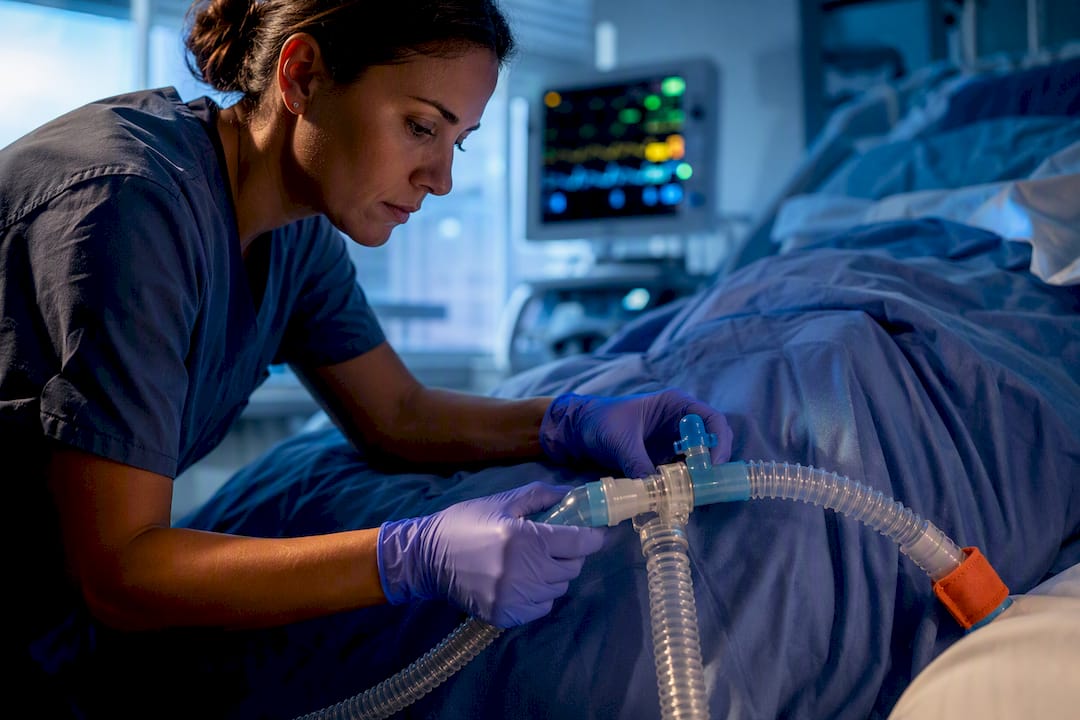
If your child’s underlying illness is resolving and the ventilator settings have stayed steady for several hours, the usual next step is a spontaneous breathing trial (SBT), typically monitored for 30 to 120 minutes to test extubation readiness. Passing that trial, along with an extubation readiness test (ERT) checking cuff leak, secretion control, and cough strength, usually clears the way to remove the breathing tube.
TL;DR:
Children with stable ventilator support typically need FiO2 at or below 40% for six hours and no ventilator adjustments for four to six hours before attempting weaning.
A spontaneous breathing trial lasting 30 to 120 minutes is considered successful if the child maintains a respiratory rate below 35, oxygen saturation above 90%, and stable vital signs.
Failure during a weaning trial is often caused by secretions or airway edema, which can be addressed with increased suctioning, steroids, or careful reassessment, rather than repeated weaning attempts.
Persistent airway issues or repeated failed extubations usually warrant a consultation about tracheostomy, especially if support exceeds two to three weeks or airway anatomy complicates weaning.
Family involvement, caregiver training, and continuous monitoring are critical for successful weaning and post-discharge management of ventilator support at home.
Table of Contents
What Determines When Ventilator Weaning Can Start in a Child?
How Do Spontaneous Breathing Trials and Extubation Readiness Tests Work?
What Ventilator Settings Should Guide Daily Weaning Decisions?
When Does a Child Need a Tracheostomy Instead of Continued Weaning?
Who Manages the Weaning Process, and Where Do Parents Fit In?
Are There Scoring Tools That Predict Weaning Success in Children?
How Do Nutrition and Physical Therapy Support Ventilator Weaning?
How Does Ventilator Time Affect a Child’s Development and Emotional State?
Protocols Guide the Process, but Every Child Still Writes Their Own Timeline
How Opulent Private Care Helps Families Manage Home Ventilator Support
What Determines When Ventilator Weaning Can Start in a Child?
Weaning off ventilator support isn’t a single decision. It’s a running checklist that a bedside team reviews, often once or twice a day, sometimes more if a child is unstable. The goal is to catch the earliest safe window rather than wait for a child to look “obviously ready,” which tends to delay liberation and add days of unnecessary sedation.
Clinical pathways used in pediatric intensive care, including the one published by Children’s Hospital of Philadelphia, lay out concrete entry criteria rather than vague impressions. A child typically needs to meet most or all of the following before a wean attempt even begins:
FiO2 at or below 40% for at least six consecutive hours, with mean airway pressure at or below 18 mmHg
No ventilator setting increases (rate, pressure, or oxygen) for at least four to six hours
No active neuromuscular blockade, and a sedation score that falls within an acceptable range on scales like the State Behavioral Scale (SBS) or RASS
Clear evidence that the original reason for intubation, whether pneumonia, post-surgical swelling, or a neurologic event, is trending toward resolution, not just holding steady
Stable heart rate, blood pressure, and perfusion without new or increasing Lopressor support
Age and underlying physiology change the calculation. Neonates, especially those born prematurely, often need longer stability windows because their respiratory drive and airway reflexes are still maturing. Children with single-ventricle cardiac physiology or those on ECMO typically need input from cardiology or ECMO specialists before any weaning attempt, since standard respiratory criteria don’t capture the hemodynamic risks unique to those conditions.
Documentation matters more than most families realize. A reassessment usually happens every shift, with the attending intensivist or a designated advanced practice provider signing off on readiness. Respiratory therapists chart ventilator trends hour by hour, and nurses log sedation scores alongside vital signs so the full team sees the same picture. When a child bounces between “ready” and “not ready” from one shift to the next, that pattern itself is useful information. It usually means an underlying issue, often secretions or unresolved lung disease, needs attention before another attempt.
How Do Spontaneous Breathing Trials and Extubation Readiness Tests Work?
An SBT tests whether a child can handle breathing largely on their own while still connected to the ventilator circuit, before anyone commits to pulling the tube. An ERT is the second, separate check that confirms the airway itself, not just the lungs, is ready to work without a tube in place. Both matter, and skipping either one raises the odds of a failed extubation.
Trials generally run through one of three setups: continuous positive airway pressure (CPAP) alone, a T-piece with no ventilator support at all, or low-level pressure support. Duration usually falls between 30 and 120 minutes, according to guidance summarized in StatPearls’ overview of ventilator weaning, with success defined by a respiratory rate under 35, oxygen saturation above 90%, and no meaningful change in blood pressure or heart rate.
A typical bedside sequence looks like this:
The respiratory therapist confirms the child meets entry criteria and switches the ventilator to the trial mode.
Vital signs and work-of-breathing signs (retractions, nasal flaring, grunting) are checked at set intervals, often starting around the 15-minute mark, a step drawn from practical pathway documents like Stanford’s ventilator wean and extubation readiness pathway.
If the child tolerates the trial through the full window, the team moves to the ERT: a cuff leak test, an assessment of secretion volume and thickness, and a check of cough and gag reflex.
The intubation cart and airway equipment stay at the bedside throughout, not as a formality but because a small number of children need immediate reintubation.
Some units confirm gas exchange with an arterial blood gas before extubation; others rely on continuous end-tidal CO2 monitoring if the trend has already been reassuring.
Trial success is usually defined as tolerating a spontaneous breathing trial for a duration between half an hour and two hours while maintaining a respiratory rate below 35, oxygen saturation above 90%, and stable hemodynamics, per the criteria StatPearls documents for ventilator weaning across age groups.
Not every hiccup during a trial means failure. A brief desaturation that resolves quickly with suctioning, or a short spike in respiratory rate that settles once secretions clear, is often considered a transient event rather than a true failure. What separates a false alarm from a real one is duration and trend: does the child recover within a minute or two, or does distress keep building? Teams that stop trials at the first blip often extend a child’s ventilator days unnecessarily. Teams that push through genuine escalating distress risk a crash extubation. The judgment call sits with the RT and RN at the bedside, backed by the intensivist’s standing orders.
What Ventilator Settings Should Guide Daily Weaning Decisions?
Weaning parameters differ by ventilator mode, and pediatric bodies react differently to pressure and volume changes than adult airways do. Getting the numbers roughly right prevents both over-sedation from unnecessary support and exhaustion from premature weaning.
Mode | Key parameter | Typical wean target | Notes |
Volume control (VCV) | Tidal volume | 5 mL/kg ideal body weight | Wean rate before reducing volume |
Pressure control (PCV) | Peak inspiratory pressure | Reduce in 2 cm H2O increments | Reassess chest rise and SpO2 after each change |
SIMV with pressure support | Pressure support (PS) | Wean 2–4 cm H2O per step, sized partly to ETT diameter | Smaller tubes need slightly higher PS to overcome resistance |
CPAP/PS | PEEP | Target 5 cm H2O before extubation trial | Higher PEEP needs justified by lung disease, not habit |
Respiratory rate targets shift with age, with infants generally having higher baseline rates than older children, so normal ranges vary considerably across pediatric age groups. Most pathways wean rate before pressure, on the logic that a child breathing at a near-normal rate on modest support is closer to extubation than one breathing slowly but still needing high pressure to move air.
Reassessment typically happens every two to six hours during active weaning, tighter than the daily check used earlier in a ventilator course. Each adjustment gets logged with the resulting vital signs, not just the new setting, so the next shift can see whether the last change was tolerated or reversed.
Wean respiratory rate increments before touching PEEP or peak pressure, when the child’s own drive supports it
Reassess chest exam, secretions, and blood gas trends alongside ventilator numbers rather than in isolation
Loop in a senior provider whenever two consecutive wean attempts fail, rather than repeating the same step a third time
Involve ENT early if there’s any history of difficult intubation or airway swelling, since a failed airway assessment changes the entire plan
Why Do Weans and Extubations Fail, and What Happens Next?
The single most common, and most fixable, cause of a failed wean or extubation is secretion burden. A child can have perfect ventilator numbers and still fail because thick secretions or airway edema block effective airflow once the tube comes out. This gets missed constantly because teams focus on the ventilator screen instead of the airway itself.
Other frequent culprits include weak cough or underlying neuromuscular disease, oversedation or withdrawal symptoms from long opioid or benzodiazepine courses, fluid overload straining the heart and lungs, and infection or lung disease that hasn’t actually resolved as much as the chart suggested.
Increase suctioning frequency and reassess within the hour rather than assuming secretions will clear on their own
Pause or slow a sedation wean if withdrawal symptoms, not lung disease, appear to be driving distress
Consider dexamethasone in the hours before extubation for children with known or suspected airway edema, a common step for prolonged intubations or repeat attempts
Have noninvasive ventilation ready as a bridge immediately after extubation for children flagged as high risk for failure
Set a firm re-evaluation point, often around six hours post-extubation, rather than waiting for an obvious crisis to reassess
Pro Tip: Keep a simple bedside log of secretion color, thickness, and suction frequency during the 24 hours before a wean attempt. That pattern often predicts extubation success better than the ventilator settings alone.
Repeated failures change the conversation entirely. Two or more failed extubations, progressive carbon dioxide retention, or clear airway obstruction on exam usually trigger an ENT or pulmonology consult and, eventually, a conversation about tracheostomy. Pediatric reviews note that extubation failure rates run as high as 20% in some PICU series, which is worth remembering when a first attempt doesn’t succeed. One failed trial is a data point, not a verdict on your child’s overall trajectory.
When Does a Child Need a Tracheostomy Instead of Continued Weaning?
Tracheostomy usually enters the conversation once a child has needed ventilator support for two to three weeks with no clear path to extubation, or after repeated failed attempts tied to airway anatomy rather than lung disease. The tradeoff is real: a tracheostomy tube is easier on the vocal cords and often allows lighter sedation and more normal development, including feeding and speech progress, but it also means a visible piece of equipment and a new layer of caregiver training. Our guide on ventilator versus tracheostomy decisions walks through that decision in more depth.
Weaning doesn’t stop once a child leaves the hospital. Home ventilator weaning typically happens in stages, with outpatient SBTs scheduled during clinic visits rather than attempted alone at home. Remote monitoring and a certified home ventilator program give families and physicians shared visibility into how a child tolerates reduced support over weeks or months, not days.
Confirm caregiver certification is complete, meaning at least two adults in the home can independently manage suctioning, alarms, and tube changes.
Verify backup equipment is on hand, including a spare ventilator or resuscitation bag, extra tracheostomy tubes, and charged batteries.
Walk through the family’s written emergency plan line by line, not just hand it over, using resources like a ventilator emergency training checklist.
Set the home nursing schedule before discharge day, not after, so there’s no coverage gap in the first critical week.
Book follow-up appointments with pulmonology and the home ventilator team before leaving the hospital.
Expectations should stay realistic. A systematic review of children on long-term home invasive ventilation found a median proportion weaned successfully around 17%, a reminder that some children thrive long-term on ventilator support rather than working toward removal, and that’s a legitimate outcome, not a failure of the process.
Who Manages the Weaning Process, and Where Do Parents Fit In?
Pediatric ventilator management is a team sport, and each discipline owns a distinct piece of the daily decision. The intensivist or pulmonologist sets the overall plan and signs off on major changes. The respiratory therapist runs the SBT, adjusts settings in real time, and usually spots trouble first. The bedside nurse tracks sedation scores, comfort, and the subtle behavioral shifts that don’t always show up on a monitor.
Families are not bystanders in this. Parents who’ve spent weeks at the bedside often notice a child’s baseline “off” days before oxygen saturation drops, and structured programs that build in family observation tend to catch intolerance earlier than monitors alone, according to a review of extubation readiness practices.
Ask what today’s specific readiness criteria are, not just whether “weaning is happening”
Learn to recognize your child’s early distress signs, since you’ll see them before a nurse walks back into the room
Participate in suction and alarm training well before discharge is on the table, not the week before
The model builds continuity through a shared approval rule among family, caregiver, and provider before care starts, and by tracking shift fill rates and nurse retention to minimize families relearning new nurses’ habits frequently.
Are There Scoring Tools That Predict Weaning Success in Children?
Pediatric weaning still leans more on clinical judgment than on a single validated score, unlike some adult ICU protocols. The rapid shallow breathing index (RSBI), which divides respiratory rate by tidal volume, is a familiar adult benchmark, with thresholds like under 105 flagged as favorable. Its pediatric application remains far less established, and most PICU teams use it as one data point among several rather than a stand-alone predictor.
Diaphragm ultrasound is gaining traction as a newer tool, measuring how much and how well the diaphragm contracts during a trial, according to background summarized in StatPearls’ ventilator weaning overview. A thin, poorly moving diaphragm after a long ventilator course can flag a child at higher risk of failure even when standard vitals look acceptable, catching a weakness that a respiratory rate number would miss entirely.
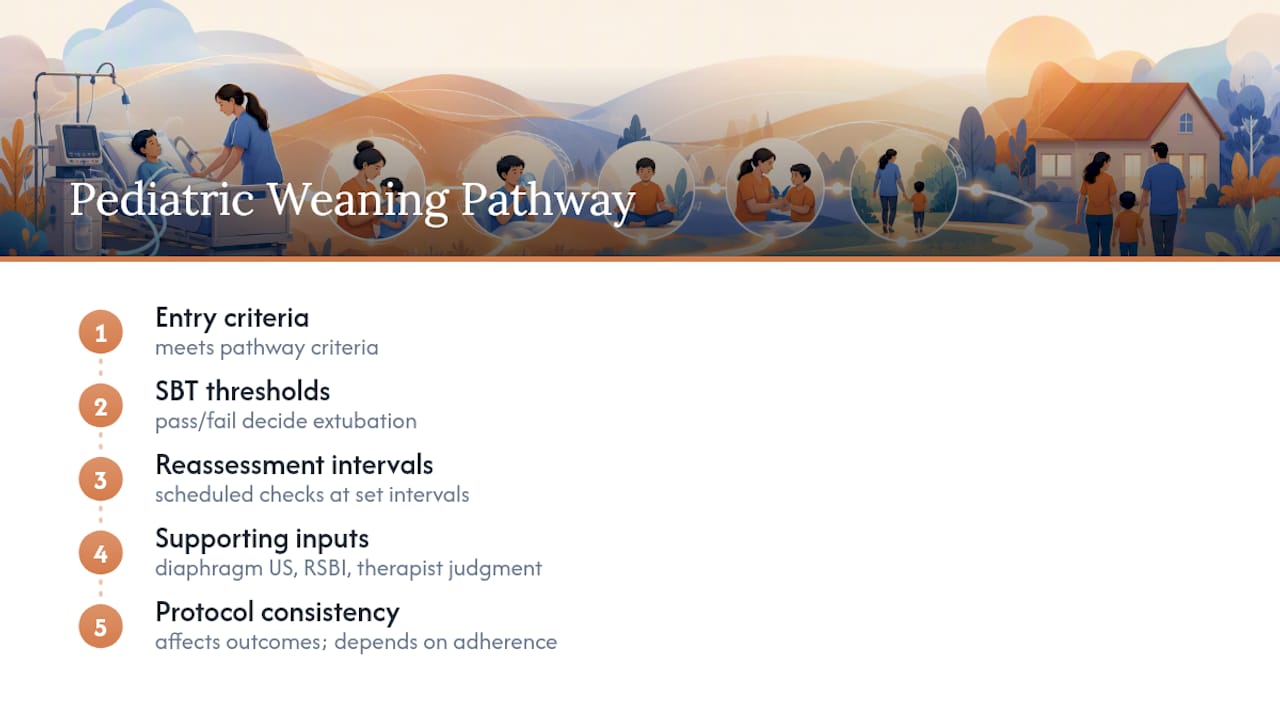
Clinical pathways function as the real scoring framework in most PICUs. The entry criteria, SBT pass/fail thresholds, and reassessment intervals built into pathways like CHOP’s amount to a structured decision tree, even without a single composite number attached. Research on formal weaning protocols shows mixed results: some trials link protocolized care to a shorter time to first successful extubation, while others find the effect depends heavily on how consistently a unit follows the protocol day to day. No scoring tool replaces a respiratory therapist’s trained eye at the bedside, but the combination of pathway criteria plus emerging tools like diaphragm ultrasound is where pediatric practice is heading.
How Do Nutrition and Physical Therapy Support Ventilator Weaning?
A child who’s calorically depleted or losing muscle mass has a much harder time generating the respiratory effort a wean requires, no matter how good the ventilator settings look on paper. Malnutrition weakens the diaphragm just like it weakens any other muscle, and prolonged critical illness burns through reserves fast in children, who have less muscle mass to spare than adults to begin with.
Dietitians typically adjust caloric and protein targets upward once a wean attempt is imminent, aiming to support respiratory muscle strength rather than just maintain weight. Overfeeding carries its own risk, since excess carbohydrate intake increases carbon dioxide production and can work against weaning rather than for it, so the balance matters more than the raw calorie count.
Physical and occupational therapy play a bigger role than many families expect. Early mobilization, even passive range-of-motion exercises for a sedated child or supported sitting for one who’s more awake, helps prevent the muscle wasting that makes weaning harder the longer a child stays immobile. For older children able to participate, breathing exercises and incentive spirometry-style activities build the same respiratory endurance an SBT will test. Coordinating nutrition and therapy alongside the ventilator plan, rather than after it, tends to shorten the overall course.

How Does Ventilator Time Affect a Child’s Development and Emotional State?
Extended ventilator dependence touches more than lungs. Sedation itself can blunt a child’s normal responsiveness, and weeks of limited movement or interaction during a critical illness can set back developmental milestones that were on track before admission, particularly in infants and toddlers who are supposed to be hitting major motor and language gains during that window.
Older children and school-age kids often carry a different burden: fear and confusion about tubes, alarms, and an unfamiliar hospital routine, compounded by an inability to speak while intubated. Anxiety around a return to breathing tests, especially after a prior failed extubation, is common and real, not something to brush past as the medical side of the picture improves.
Child life specialists and consistent caregiver presence make a measurable difference here. A familiar face during an SBT, simple explanations pitched to a child’s age, and predictable routines around procedures all reduce the fear response that can itself worsen respiratory effort during a trial. Sleep protection matters too. Fragmented sleep from round-the-clock monitoring slows recovery and makes weaning trials harder to tolerate, which is part of why continuity of caregivers, not just clinical protocol, shows up repeatedly as a factor in smoother pediatric weaning courses.
Protocols Guide the Process, but Every Child Still Writes Their Own Timeline
Clinical pathways exist because variability in bedside decisions costs children time on the ventilator they didn’t need to spend. But no pathway anticipates every child’s specific mix of underlying disease, airway anatomy, and family circumstance, and the best teams treat the checklist as a floor, not a ceiling.
What reassures families most isn’t the protocol itself. It’s watching the same respiratory therapist and nurse show up shift after shift, building the pattern recognition that catches a subtle setback before it becomes a failed trial. Staged SBTs and multidisciplinary sign-offs slow things down on purpose. That’s not bureaucracy. It’s the margin that protects a child who isn’t quite ready yet.
— Opulent
How Opulent Private Care Helps Families Manage Home Ventilator Support
Getting through hospital-based weaning is only half the work. The harder, longer part often happens at home, where the same continuity that helped inside the PICU becomes even more critical once a family is managing tube changes, alarms, and emergency response without a hallway full of specialists nearby. This service is designed to provide in-home pediatric skilled nursing for children managing tracheostomy, ventilator, feeding tube, and related complex medical needs, with nurses matched to a family’s clinical situation and household dynamic rather than assigned at random.

An approval rule requires agreement from the family, the caregiver, and the agency before any placement begins, meaning the nurse is someone the family has already vetted. Shift fill rates and nurse retention numbers are tracked and shared, so families can see continuity performance, and assistance with Medicaid and relevant pediatric program paperwork is provided to support discharge planning. For a deeper technical grounding on respiratory concepts relevant to home caregivers and clinicians alike, the CCRN respiratory study guide from Zero Deficit is a useful reference.
If your family is preparing for discharge with ongoing ventilator or tracheostomy needs, start by checking eligibility and beginning intake with Opulent Private Care before the hospital sets a discharge date, so home nursing coverage is ready the day your child comes home.
This article is general information, not a substitute for advice from a qualified doctor. Consult a qualified healthcare professional about your own circumstances before acting on anything here.
Sources
FAQ
How long does it take to wean a child off a ventilator?
It varies widely by underlying diagnosis and ventilator duration, but many children pass an SBT within 30 to 120 minutes once objective readiness criteria are met, while children with prolonged courses or airway complications may need weeks of staged attempts.
What are the long-term effects of being on a ventilator?
Extended ventilator time can affect muscle strength, developmental milestones in younger children, and emotional wellbeing, though most effects improve with nutrition support, physical therapy, and consistent caregiver continuity during recovery.
How long can a child be on a ventilator without brain damage?
Ventilator support itself doesn’t cause brain injury. Risk comes from the underlying condition (like severe hypoxia or infection) and complications during the illness, not from ventilator duration on its own, so this depends entirely on the specific case and warrants direct discussion with the treating team.
What happens during the terminal weaning process in end-of-life care?
Terminal weaning, used in end-of-life care rather than recovery-focused weaning, involves gradually or immediately withdrawing ventilator support with comfort medications on hand, guided by the family’s wishes and the palliative care team, and it follows an entirely different protocol than the readiness-based weaning covered in this guide.
What is the difference between an SBT and an ERT?
An SBT tests whether a child’s lungs and breathing effort can handle reduced ventilator support, while an ERT separately checks whether the airway itself, including cuff leak and cough strength, is ready for the tube to come out, as detailed in StatPearls’ weaning overview.
Recommended
Comments